Glass eyes have always fascinated people with their unique combination of craftsmanship, precision and technical sophistication. What may seem like a minor detail at first glance actually requires decades of experience when working with glass, fire and colours.
Ophthalmologist or surgeon holding an artificial eye in their hands
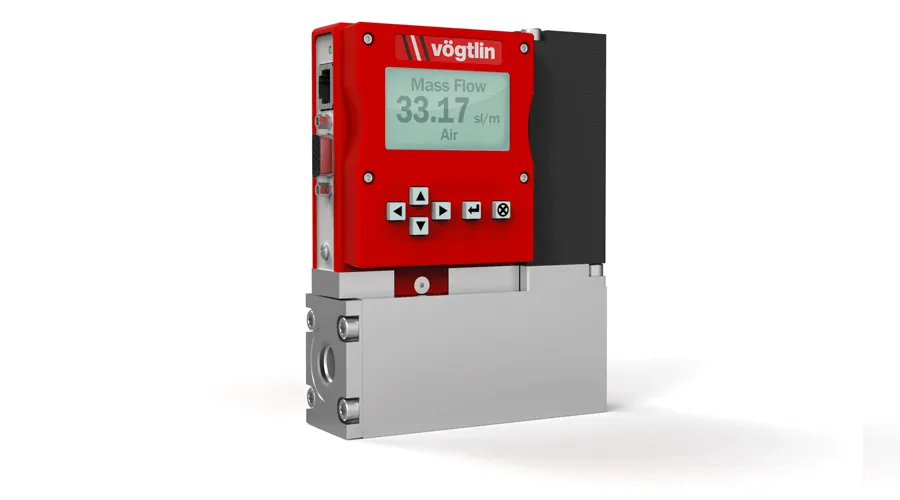
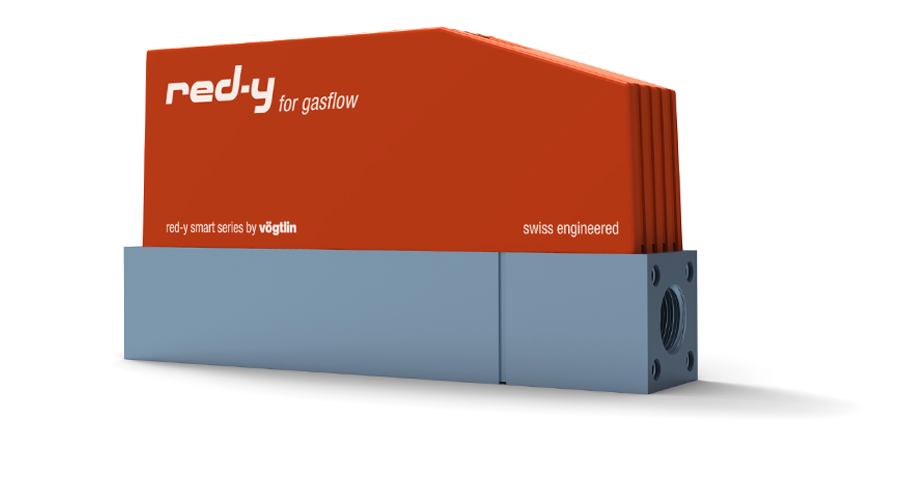
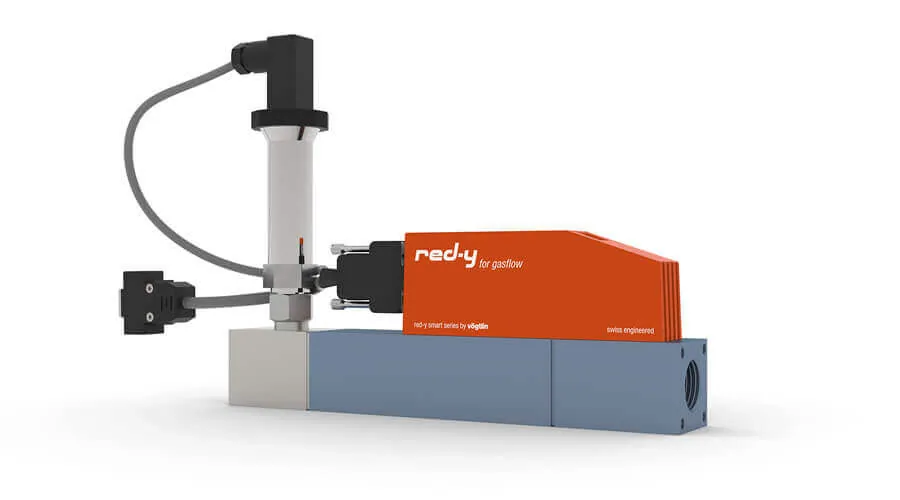
Vögtlin's modular device concept: Build. Connect. Configure. Control
Prosthetic eyes in various colours
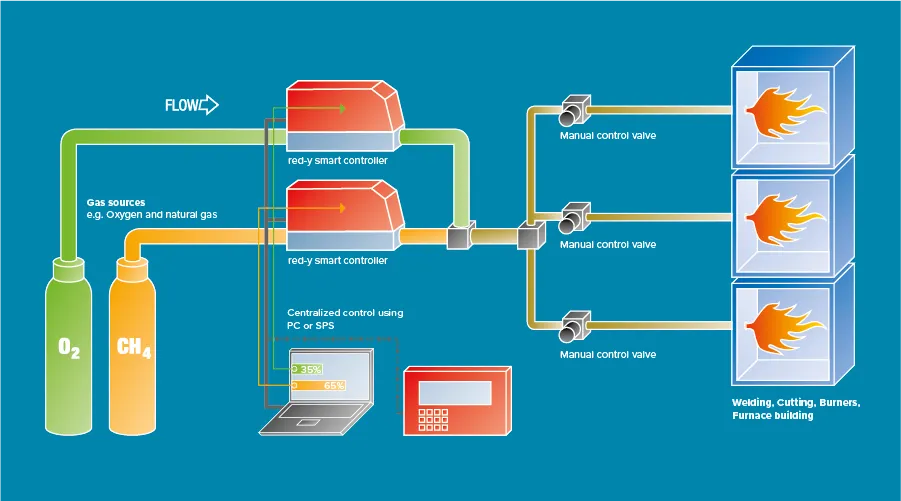
Functional diagram flame control
Since the 19th century, glass eyes have been masterfully handcrafted in Lauscha, a small town in Thuringia. Using a special burner, gas flames of up to 1500 °C and skilful twisting movements, glassblowers create tiny works of art.
The white base sphere, the colourful iris, the fine red veins – every detail is crafted layer by layer from glass. The result is not just a prosthesis, but a small masterpiece.
Application
Glass eyes serve as medical prostheses for people who have lost an eye. They are individually customised and inserted into the eye socket to restore a natural appearance and give those affected a sense of normality and self-confidence. In addition to their aesthetic function, glass eyes also protect the sensitive tissue in the eye socket.
Glass eyes are also used in the arts, for example in doll and figure making or in the restoration of historical objects, where a particularly realistic appearance is required.
Challenges
When manufacturing glass eyes (artificial eye prostheses) using traditional burner techniques, the burner and gas play a central role because glass must be heated and processed in a very controlled manner.
Transparency and purity: A soot-free flame prevents contamination in the glass, which is particularly important for a realistic, transparent ‘eye’.
Controlled heating: Glass must not be heated too quickly or unevenly, otherwise tension or cracks will occur.
Colour design: Coloured glass rods are fused with the burner to represent the iris, veins and other details. The characteristics of the flame influence how cleanly the colours flow.
The flame structure of propane-oxygen is fundamental:
For the iris design (fine glass threads, colours), a small, pointed flame that is highly concentrated is required.
For the base glass (white ball), a broad, soft flame is better for even heating.
Important: switch between an oxidising and reducing flame, depending on whether you want to fix colours or just melt the base glass.
Solution
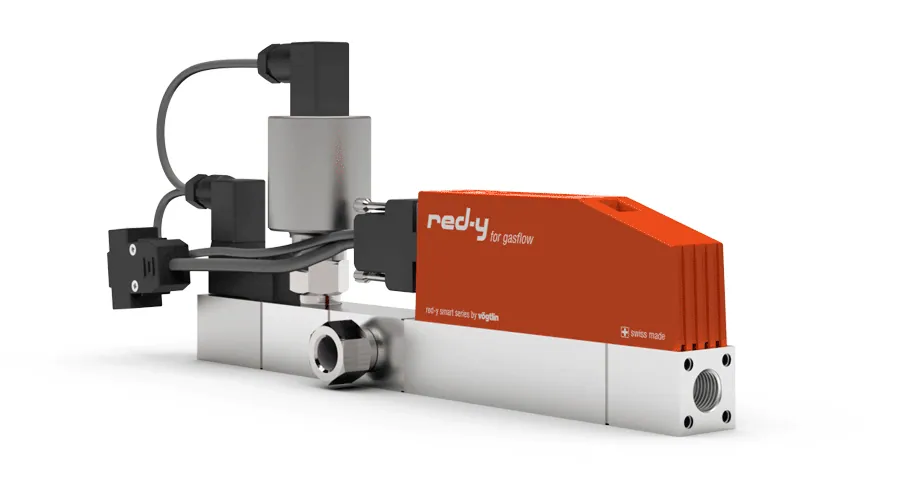
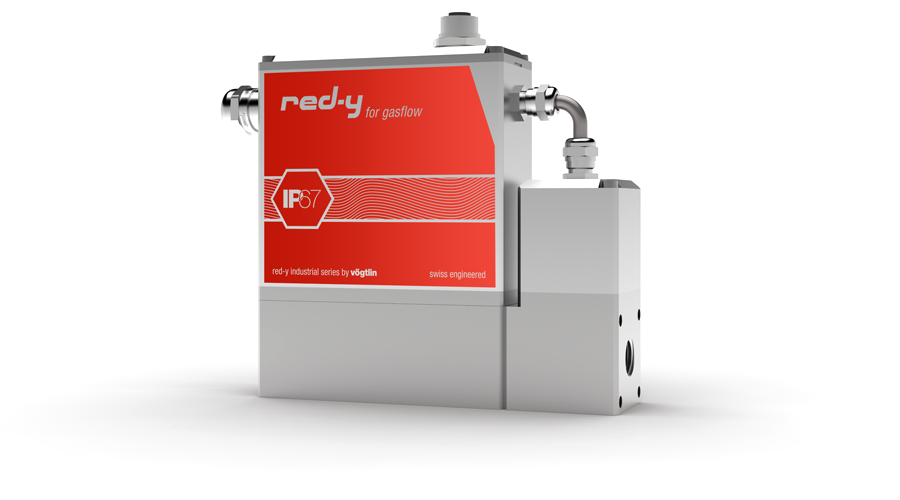
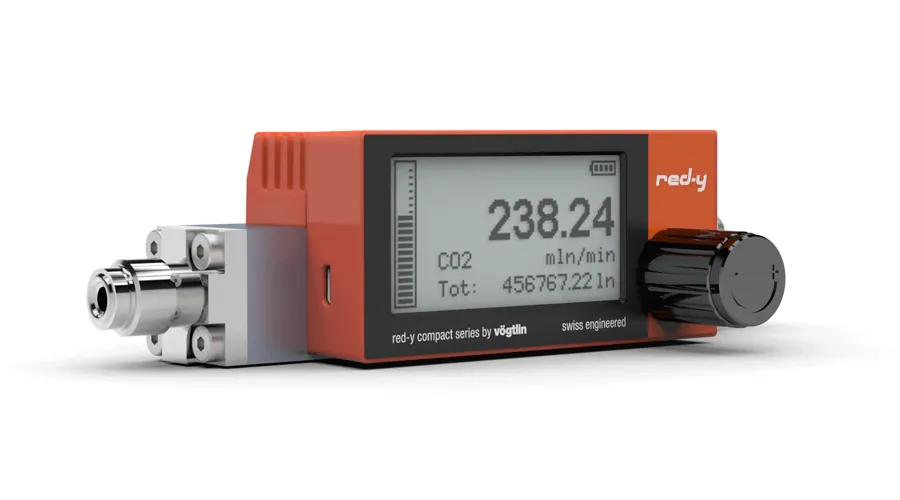
Only with uniform flames can consistent and reproducible products be produced. With a manual system, the flame must be constantly adjusted manually, but with mass flow controllers in the supply line of the critical flows, the flame is always optimised and start-up is much faster. Special gas mixers are customised and modularly designed by Vögtlin – just as the process requires.
Key Features
High repeatability and reliability
Extremely fast response times
Safe & fast control
Plug-and-play functionality without warm-up phases